
Blog
Holisticke: The Ultimate Path to Total Wellness

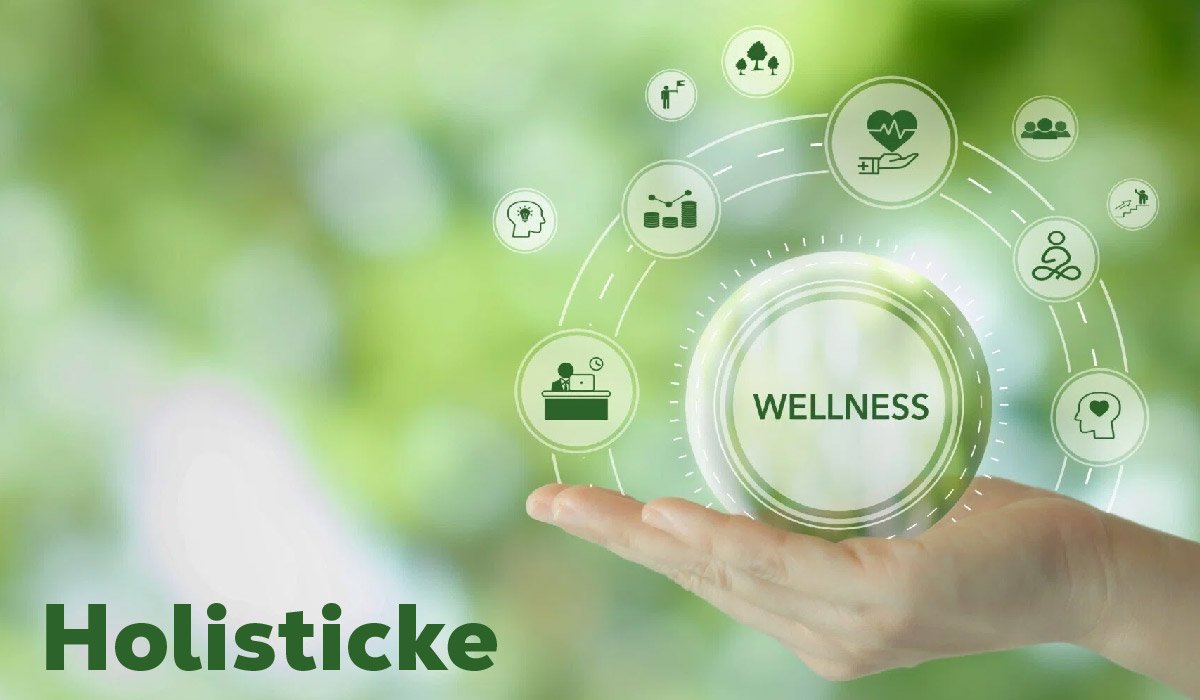
What Is Holisticke?
Holisticke is a modern wellness philosophy rooted in the belief that true health comes from nurturing the whole person—mind, body, and spirit—instead of merely treating isolated symptoms. It draws from both ancient healing systems and current medical science, offering a balanced lifestyle approach that integrates mindfulness, nutrition, movement, emotional intelligence, and environmental awareness. Unlike traditional treatments that often focus on one problem at a time, Holisticke sees the individual as a complete ecosystem, where physical issues can stem from mental stress, emotional wounds, or spiritual disconnection.
In this context, wellness is not just the absence of disease but the presence of harmony, purpose, and vitality. Holisticke encourages individuals to take ownership of their health, seek personal balance, and build sustainable habits that heal not just the body but also the mind and soul.
Why the World Needs Holisticke Right Now
In today’s fast-paced, high-stress, digitally driven world, people are more disconnected than ever from themselves, their surroundings, and their inner peace. Rising levels of anxiety, depression, sleep disorders, chronic fatigue, and lifestyle diseases like obesity and diabetes are just a few symptoms of a society out of sync. Traditional healthcare systems are overwhelmed, often focusing on symptom relief through medication rather than addressing root causes. Many individuals feel unsupported, unseen, and unsure of how to regain control over their health. This is where Holisticke enters the conversation—as a much-needed reset button.
Holisticke offers a comprehensive answer to the modern wellness crisis by reuniting fragmented aspects of health into one harmonious system. It teaches us how to tune into our bodies, calm our minds, connect with nature, and cultivate emotional and spiritual resilience. In doing so, it transforms wellness from a luxury or trend into an essential, empowering lifestyle.
Core Philosophy Behind Holisticke
The foundation of Holisticke rests on a simple but profound truth: everything is connected. Thoughts influence emotions. Emotions affect physical health. The body’s condition shapes the mind. Your surroundings and relationships further amplify or drain your energy. Disease, in this view, arises not from random misfortune but from imbalances in how we live, think, eat, move, feel, and relate to the world. Holisticke embraces prevention over cure and emphasizes energy flow, natural rhythms, and conscious living.
It draws wisdom from systems thinking, Traditional Chinese Medicine, Ayurveda, Indigenous healing traditions, and neuroscience to provide a rich framework for self-care. Central to this is the belief that healing begins with awareness—learning to observe the signs your body and mind are sending, and responding with intention rather than reaction.
Holisticke vs. Traditional Holistic Health – What’s the Difference?
While Holisticke shares core values with traditional holistic health, it reimagines these principles for the 21st century. Classic holistic approaches often emphasize natural remedies and spiritual balance, and they are typically practiced within structured wellness centers or by certified professionals. Holisticke, on the other hand, is more fluid, decentralized, and lifestyle-oriented. It integrates digital wellness tools, embraces modern challenges like screen addiction or environmental toxicity, and encourages personalization.
Holisticke is less about replacing conventional medicine and more about integrating wellness into daily routines—whether through meditation apps, wearable health trackers, plant-based diets, or emotional journaling. It’s adaptable, inclusive, and less institutionalized, empowering people to become their own wellness advocates without needing formal training or expensive services. In short, Holisticke modernizes holistic living by making it accessible, evidence-informed, and deeply relevant.
The 7 Pillars of Holisticke Living
1. Physical Wellness
Holisticke views physical wellness not just as fitness but as vitality—having energy, balance, and strength to live well. This includes nourishing movement like yoga, walking, or dancing that respects the body’s natural rhythms rather than punishing it. It also prioritizes whole-food nutrition, hydration, and consistent rest. Sleep is seen as a sacred time when the body regenerates, and poor sleep is treated as a root concern, not a side effect. Holisticke encourages intuitive eating—listening to what your body truly needs instead of blindly following restrictive diets. The goal is a sustainable lifestyle that celebrates the body’s wisdom.
2. Mental Clarity
In an age of distraction and digital overload, Holisticke teaches mental hygiene as seriously as physical hygiene. It promotes practices like meditation, mindfulness, breathwork, and intentional screen time to clear mental clutter. Mental clarity is not about having perfect thoughts but about developing self-awareness, reducing reactivity, and creating space for reflection. Techniques such as journaling, visualization, and focused breathing train the mind to be present and calm. This leads to better decision-making, sharper focus, and greater emotional regulation—especially critical in high-stress modern environments.
3. Emotional Resilience
Emotions are not weaknesses or obstacles but messages from within. Holisticke encourages the recognition, expression, and healthy processing of emotions to build resilience. It supports tools such as emotional journaling, therapy, group support, and expressive arts like music or dance. Instead of labeling emotions as good or bad, Holisticke asks what each emotion is trying to teach. This practice reduces emotional suppression, which is often linked to physical tension, digestive problems, or burnout. Emotional intelligence becomes a skillset for navigating life with grace, authenticity, and balance.
4. Spiritual Connection
Spirituality in Holisticke is not about dogma or religion but about meaning, presence, and connection. Whether through prayer, meditation, time in nature, or acts of service, Holisticke invites individuals to nurture their inner lives and connect to something greater than themselves. It encourages purpose-driven living, gratitude, and reflective practices that align actions with values. Spiritual disconnection is often cited in Holisticke as a root cause of burnout, apathy, or chronic fatigue. Reconnecting with the soul—however one defines it—becomes essential for long-term wellness.
5. Environmental Alignment
Holisticke emphasizes that the space you live and work in dramatically affects your well-being. Cluttered rooms, toxic air, and negative social circles can create low-level stress that adds up over time. Therefore, Holisticke supports decluttering, eco-friendly living, houseplants for air purification, and healthy social environments. It also promotes sustainability and harmony with nature as part of healing. A walk in the forest, a minimalist room, or a deep conversation with a kind friend are not luxuries—they are wellness tools that influence your emotional and physical state.
6. Rituals and Daily Integration
Instead of seeking weekend detoxes or extreme health challenges, Holisticke favors daily rituals that promote steady growth. These include simple habits like starting the day with breathwork, practicing gratitude, eating meals without screens, or ending the day with reflection. These small, repeatable acts anchor the nervous system and build resilience over time. Consistency is valued more than intensity. Holisticke reminds us that healing doesn’t require dramatic change—it requires presence, patience, and a commitment to integrate wellness into daily life.
7. Self-Awareness & Feedback
The final pillar is about constantly listening to your body, heart, and environment and making adjustments. Holisticke encourages regular check-ins: How do you feel today? What needs nourishment? What is draining your energy? Feedback loops help prevent burnout, manage stress, and create long-term alignment. Tools like mood journals, body scans, and sleep logs help individuals become their own best health advocates. Personalization is key—what works for one may not work for another, and Holisticke honors this diversity.
How to Start Practicing Holisticke: Step-by-Step Guide
Getting started with Holisticke doesn’t require a complete life overhaul. Begin with observation: track your sleep, energy, stress levels, and emotions for a week. Identify which pillar feels most out of balance—perhaps your body is tired, your mind is overworked, or your spirit feels lost. Then pick one small habit that supports that pillar. For instance, take a 10-minute walk, do a 2-minute breathing exercise, or journal one thought per day. Gradually build these into routines. Reflect weekly on what’s working and adjust. Over time, these micro-shifts build a lifestyle of awareness and wellness that becomes second nature. You are not chasing perfection—you are cultivating presence.
What Makes Holisticke Scientifically Credible?
Holisticke is backed by a growing body of science in fields such as psychoneuroimmunology, sleep research, nutrition science, and mind-body medicine. Studies show that meditation changes brain structure, reduces cortisol (the stress hormone), and enhances emotional regulation. Proper sleep supports immune function and cognitive performance. Emotional suppression has been linked to increased risk of heart disease and autoimmune issues. Balanced diets improve gut health, which in turn affects mental clarity and mood. Holisticke doesn’t reject modern science—it integrates it with ancient wisdom to create a comprehensive model of wellness. Hospitals and wellness centers around the world now offer integrative programs that mirror Holisticke principles.
How Holisticke Complements Modern Medicine
Holisticke is not an alternative to conventional healthcare—it’s a partner. While modern medicine excels at emergency care and acute conditions, Holis ticke fills the gap in chronic disease prevention, mental wellness, and lifestyle management. In cancer recovery programs, for instance, yoga and meditation are now standard components alongside chemotherapy. Holisticke empowers patients to take part in their healing journey, focusing on nutrition, emotional support, mindset, and daily habits. This integrative approach creates more sustainable outcomes and lowers long-term healthcare costs. In essence, Holisticke makes medicine more human.
Holisticke in Real Life: Daily Integration Tips
Incorporating Holisticke into daily life can be simple. Start your morning with 5 deep breaths or a silent gratitude practice. Replace one processed meal with a whole-food option. Step outside for 10 minutes of sunlight and fresh air. Turn off notifications during meals to be present. Spend time with uplifting people and limit toxic media. Journal before bed or simply reflect on the day. These tiny acts, when repeated daily, create a ripple effect. Holisticke doesn’t demand intensity—it rewards intention.
Common Misconceptions About Holisticke
Some people assume Holisticke is anti-science or overly spiritual, but in truth, it is rooted in evidence-based practices and embraces secular, inclusive values. Others think it’s expensive—yet many core practices like breathwork, journaling, walking, and healthy eating cost little to nothing. There’s also a belief that it requires a total lifestyle change, but Holisticke supports gradual, gentle evolution. Perhaps the biggest misconception is that Holisticke is only for the “wellness elite.” In reality, it’s designed to be accessible, adaptable, and personal. Holisticke meets you where you are.
Holisticke at Work, School, and Family
The benefits of Holisticke extend beyond individuals. In workplaces, integrating Holisticke principles can reduce burnout, boost productivity, and improve morale through wellness programs, meditation spaces, flexible schedules, and mindful leadership. In schools, teaching emotional intelligence, meditation, and self-awareness can improve focus and mental health. Families who adopt Holisticke foster healthier communication, deeper bonds, and more conscious parenting. From boardrooms to classrooms to living rooms, Holis ticke enhances the culture of care and connection.
Holisticke and the Environment
You cannot be well in a sick environment. Holisticke recognizes that environmental health is personal health. Clean air, green spaces, natural light, and sustainable practices support physical and mental vitality. Urban stress, pollution, and overconsumption lead to anxiety, hormonal disruption, and chronic illness. Therefore, Holis ticke includes environmental stewardship as a key wellness practice—reducing waste, choosing sustainable goods, planting trees, and reconnecting with the natural world. Healing the planet is healing ourselves.
Challenges in Adopting Holisticke
Shifting to a Holisticke lifestyle may face challenges such as lack of time, social pressure, financial constraints, or skepticism. Building new habits takes patience, and societal systems often reward hustle over harmony. But Holisticke isn’t about perfection—it’s about intention. It meets you in your current reality and offers micro-adjustments. Overwhelm is avoided by focusing on one pillar at a time. Education and community support can break resistance, making Holis ticke not only doable but enjoyable.
The Future of Holisticke in 2030 and Beyond
By 2030, Holisticke is poised to shape the future of health and lifestyle. Digital wellness tools—like mood-tracking apps, sleep monitors, and AI-guided meditation—will become more personalized. Certification programs for Holis ticke coaches will formalize the philosophy. Schools and businesses may adopt Holis ticke frameworks to boost long-term performance and well-being. Medical research will continue validating the outcomes of integrated living. As people realize the cost of disconnection, Holis ticke will offer reconnection—inward and outward—as a remedy for our time.
Conclusion
Holisticke is more than a set of health hacks—it’s a worldview, a return to wholeness in a fragmented world. It reminds us that we are not machines made of parts but living ecosystems influenced by thought, emotion, environment, and community. You don’t need to be broken to start healing. Every person, no matter their age or background, has the power to begin a Holis ticke journey today. The first step may be as small as a deep breath, a walk outside, or a moment of stillness. But over time, these moments multiply into a life of balance, clarity, and joy. Holis ticke teaches us not only how to live longer—but how to live better, with meaning, connection, and lasting harmony.
FAQs About Holisticke
What is Holisticke in simple words?
Holisticke is a lifestyle that helps you stay healthy by balancing your body, mind, and emotions. It uses things like meditation, healthy food, movement, and nature to make you feel better overall.
How is Holisticke different from regular medicine?
Unlike regular medicine that treats only the symptoms, Holisticke looks at the whole person. It tries to find the root cause of the problem and helps you fix it through natural and mindful ways.
Can I follow Holisticke and still go to the doctor?
Yes, Holisticke works best when used along with your regular doctor’s care. It supports healing by adding healthy habits to your daily life like better sleep, stress relief, and clean eating.
Is Holisticke hard to start?
No, you can begin with small steps like breathing exercises, drinking more water, or walking daily. You don’t need to change everything at once—just go slowly and do what feels right.
Is there proof that Holisticke actually works?
Yes, many studies show that things like meditation, yoga, and eating well can reduce stress, improve sleep, and boost your immune system. Holis ticke uses these proven methods together to help you live a better life.
You May Also Read: Courseto: The Ultimate Platform for Smart and Affordable Learning
For More Amazing Stories Visit News Tremendous

Acamento : Its Significance, Art, and Modern Evolution

Sagerne: Unveiling its Meaning, History, and Modern Impact

Snowhiter :The Beauty, Science, and Cultural Impact

Plangud Explained: Uses, Benefits, and Impact on Industries

Emarand: The Future of Branding & Innovation

Chromtex: Smart Sustainable Textile Innovation

Insoya: The Future of Functional Plant-Based Nutrition

Joguart: The Wellness Dairy Revolution Explained

Milyom: The Future of Digital Minimalism & Blogging

NZBGeek Review: Best Usenet NZB Indexer in 2026
-

 Celebrity8 months ago
Cashmere Saint Newton: Inside the Life of Cam Newton’s Youngest Son
-

 Celebrity8 months ago
Meet Elaine Okamura: The Untold Story of Wayne Newton’s Ex-Wife
-

 Biography8 months ago
Brandy Quaid Biography: The Quiet Life of Randy and Dennis Quaid’s Sister
-

 Celebrity7 months ago
Who is Hilary Blackmore? Canadian Actress and Wife of Graham Greene