
Blog
Dihward: The Powerful Mindset Transforming Modern Life

What Is Dihward?
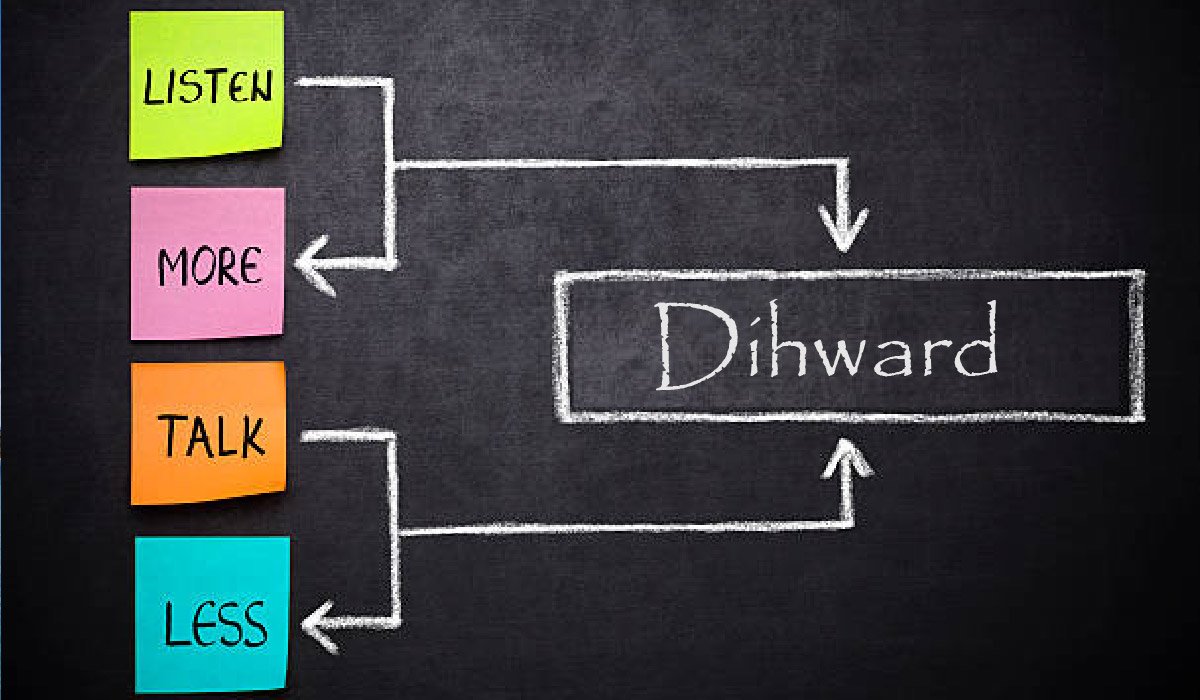
Dihward is not just another buzzword trending across digital spaces—it’s an evolving mindset built for the complex challenges of the modern age. Rooted in self-awareness, ethical adaptation, and mindful progress, Dihward offers a guiding compass for individuals, organizations, and cultures facing rapid technological and social changes. It empowers people to stay true to their values while adapting wisely to the ever-shifting world around them. Unlike short-lived social trends, Dihward is grounded in a deeper call to self-exploration and responsible innovation. It encourages people to reflect inward, build emotional resilience, and engage in open, value-driven conversations online and offline. This article explores the full breadth of Dihward: its origins, key principles, real-life applications, ethical dimensions, and future potential. Whether you’re an entrepreneur, a student, a creator, or simply someone looking to live more intentionally, Dihward offers a framework that is both flexible and grounded in timeless values.
The Origins and Evolution of Dihward
Etymology and Symbolism
The term “Dihward” appears to be a modern neologism composed of two symbolic parts. “Dih” conveys the essence of a core or central foundation—suggesting something rooted, stable, and reflective. It resonates with concepts of inner truth, identity, and self-awareness. The suffix “ward,” commonly found in English words like “forward,” “backward,” or “steward,” indicates direction, guidance, and protection. When combined, “Dihward” can be interpreted as a guardian of inner values—a directional force guiding personal and collective integrity through the chaos of digital transformation. Linguistically, this construction evokes both modern branding potential and ancient symbolic meaning, giving the term both futuristic and philosophical weight.
Where Dihward Began
The early use of Dihward emerged from niche online forums focused on self-improvement, emotional resilience, and ethical innovation. Initially, it was a term used by introspective communities navigating the early 2020s wave of mental health awareness and digital overload. These early adopters explored Dihward as a flexible alternative to rigid self-help structures. Over time, the term migrated to broader contexts: ethical technology discussions, brand development, leadership strategies, and educational reform. As global uncertainty grew—from pandemics to climate change—Dihward became a tool for creating structured personal and societal responses grounded in reflection and responsibility.
From Hashtag to Movement
What began as scattered reflections on Tumblr threads and Reddit discussions soon found its way to mainstream platforms like Instagram, Twitter, and LinkedIn. Hashtags like #DihwardChallenge and #LiveDihward began trending, with users sharing personal victories, meditative art, ethical dilemmas, and frameworks for daily reflection. Influencers, educators, and tech professionals joined in, each bringing their own flavor to the Dihward concept. It wasn’t just a word—it became a shared language for navigating complexity. Mindfulness communities adopted it. Ethical AI developers referenced it. Lifestyle creators made it visual through photography, journaling templates, and even music. This personalization helped it evolve from a trend into a cultural movement.
The Core Principles Behind Dihward
At the heart of Dihward is a set of six deeply interrelated principles. These are not rules but dynamic values that can guide behavior, decision-making, design processes, and leadership structures in fast-changing environments.
- Value Anchoring: At its foundation, Dihward begins with knowing your non-negotiable values. Whether it’s truth, empathy, sustainability, or privacy, anchoring every decision to these values ensures long-term trust and clarity.
- Structured Flexibility: Change is inevitable, but reckless change leads to instability. Dihward encourages flexibility that is guided—not random—adaptation within ethical boundaries.
- Ethical Accountability: In a digital world where actions are easily hidden or automated, Dihward insists on taking responsibility for both intent and impact.
- Proactive Foresight: Dihward promotes preparing for disruption before it happens. This includes ethical scenario planning, diverse perspectives, and resilience training.
- Resource Prudence: Whether time, energy, or digital bandwidth, resources must be used with long-term consequences in mind. Dih ward helps curb burnout and overconsumption.
- Collective Synergy: Finally, Dihward calls for collaboration over competition. It supports community-centered progress where shared knowledge and mutual aid thrive.
Why Dihward Resonates in Today’s Culture
Simplicity Meets Depth
One reason for Dihward’s popularity is its balance of simplicity and depth. It requires no membership, certification, or specialized knowledge. Anyone can begin practicing Dihward by pausing to reflect, creating small habits, or making mindful decisions. It democratizes personal growth by allowing individuals to move at their own pace. Whether you’re an introvert seeking peace, a creative soul looking for expression, or a tech worker searching for purpose in automation, Dihward makes space for you. It’s accessible without being superficial, and deep without being dogmatic.
Emotional and Ethical Relevance
Dihward directly addresses some of the most pressing issues of modern life: information overload, burnout, emotional disconnection, and moral fatigue. It encourages people to slow down, to find center, and to lead with both heart and mind. In an age when digital platforms push us to be faster, louder, and more performative, Dih ward asks us to be honest, present, and value-driven. It resonates deeply with a generation that is seeking balance between ambition and authenticity, between growth and grounding.
Real-Life Applications of Dihward
In Personal Development
In individual life, Dihward shows up in journaling, mindful routines, boundary-setting, and intentional decision-making. People use it to track emotional triggers, express creativity, or build healthier habits without pressure. Reflection exercises such as “What inspired me today?” or “What did I learn from discomfort?” are core Dih ward practices. These tools build inner leadership—helping individuals respond thoughtfully to challenges rather than react impulsively.
In Business and Entrepreneurship
Dihward is transforming how businesses operate. Brands like Microsoft emphasize ethical AI principles. Healthcare companies like Philips emphasize patient privacy and data transparency. These are real-world applications of Dihward values. Startups are using the mindset to create agile strategies that protect team well-being while scaling. Investors are now valuing ESG frameworks that match Dihward’s call for long-term, ethical growth. In this way, Dih ward isn’t just a feel-good idea—it’s a blueprint for resilient business.
In Education and Learning
Educational spaces are increasingly applying Dihward through digital literacy programs and values-based curriculums. Students learn to evaluate media sources ethically, manage screen time, and reflect on their digital behavior. Schools that promote creativity, emotional intelligence, and community ethics are essentially teaching Dih ward by another name. It prepares learners not just for exams, but for ethical citizenship in a digital world.
In Technology and AI
Tech developers are under pressure to create systems that are not only efficient but fair and accountable. Dihward enters here as a philosophical compass—guiding algorithm design, data collection, and UI/UX development toward user empowerment. This includes bias audits, transparent data use policies, and inclusive user research. In short, Dih ward encourages developers to ask, “Just because we can, should we?”
The Ethical Side of Dihward
Tackling Digital Challenges
From deepfake misinformation to algorithmic discrimination, today’s tech landscape is full of ethical gray zones. Dihward provides a lens to analyze and respond to these problems. It supports policies and designs that are open, understandable, and user-friendly. The Dih ward mindset asks platforms to reduce manipulation, offer consent-based experiences, and actively promote mental health.
Building Ethical Resilience
Both individuals and teams can use Dihward to become ethically resilient. This means learning from mistakes, setting boundaries with technology, and creating environments that support growth without exploitation. At work, it can look like open discussions on ethical dilemmas. At home, it might mean putting away screens during family time. Wherever applied, Dih ward fosters a culture that chooses responsibility over convenience.
How to Practice Dihward Every Day
Simple Daily Habits
Practicing Dihward doesn’t require big life changes—it thrives in small, consistent actions. Begin by checking in with your feelings in the morning. Write down one thing you’re proud of each night. Try something creative without expecting perfection. Prioritize human connection over endless scrolling. Choose tech tools that respect your data. Each choice builds the Dih ward muscle.
Framework for Reflection
Use questions like: “Does this decision reflect my values?” or “Is my time being used meaningfully today?” Apps, journals, or even voice notes can help track your reflections. A monthly Dihward check-in can recalibrate your actions, remind you of your goals, and help you course-correct with clarity.
Dihward as a Branding and Identity Concept
A Strong Name for the Future
Because of its structure and meaning, “Dihward” is perfect for naming emerging businesses, wellness platforms, or Web3 communities. It communicates purpose, clarity, and trust. Potential uses include: “Dih ward Protocol” for a secure tech platform, or “The Dih ward Collection” for an ethical lifestyle brand. It’s short, unique, and emotionally rich.
Digital and SEO Power
From a digital marketing perspective, “Dihward” is still an untapped SEO goldmine. It has low keyword competition, high conceptual potential, and domain name availability. Early adopters can dominate digital search by building relevant, high-quality content. Whether you’re a brand or a blogger, Dih ward offers excellent opportunities to build a future-facing identity.
What Critics Say About Dihward
Concerns Over Vagueness
Some critics argue that because Dihward is adaptable, it risks becoming too vague. Without a strict definition, people might dilute its value. But this flexibility is also a strength—it allows communities to mold the concept while preserving its ethical essence.
Influence Commercialization
There’s concern that influencers and marketers could exploit the term, reducing it to a branding gimmick. That’s why it’s essential to call out performative behavior and emphasize authentic storytelling in Dihward content.
Avoiding Performative Mindfulness
It’s easy to post aesthetic photos and call it Dihward. The challenge—and opportunity—is to go deeper. Real Dih ward means meaningful reflection, not curated perfection. Its power lies in the substance, not just the surface.
Future Outlook – Where Dihward May Go
In Society and Governance
Governments and nonprofits may adopt Dihward to guide public policy and crisis response. Ethical pandemic management, climate planning, and digital rights legislation all benefit from Dihward’s principles.
In Tech Development
We may see AI systems that include Dihward logic: inclusive, transparent, and ethically auditable. Open-source communities might build Dihward-inspired frameworks to evaluate the social impact of new tools.
In Culture and Storytelling
Dihward may enter literature, films, or gaming as a mythic archetype—the wise guide, the moral guardian. Storytelling rooted in this concept could inspire new forms of entertainment centered on growth, balance, and clarity.
Final Thoughts
Dihward is not just a trend—it’s a cultural necessity. In a time of rising complexity, distraction, and moral fatigue, Dih ward reminds us to pause, reflect, and choose with care. It empowers individuals to grow without losing who they are. It enables organizations to innovate without compromising values. And it gives communities a common language for building a future defined not just by speed—but by wisdom. Whether you’re a creator, a strategist, a parent, or a student, Dih ward invites you to lead from your center. It’s not about perfection—it’s about presence. And that’s why its message will endure.
FAQs
What is Dihward in simple words?
Dihward is a modern idea that helps people stay true to their values while adapting to change. It means growing in a healthy, honest, and thoughtful way, both online and in real life.
Where did the word Dihward come from?
The word Dihward is made of two parts: “Dih” means core or inner self, and “ward” means direction or protection. It first became popular in online communities that talked about personal growth and ethics.
How can I use Dihward in daily life?
You can use Dihward by doing small things like journaling, making mindful choices, checking your feelings, setting personal boundaries, and living in a way that matches your values.
Why is Dihward important today?
Dihward is important because it helps people stay balanced, make good decisions, and avoid stress or burnout. It teaches how to grow with honesty and keep your values, even during fast changes in life and technology.
Is Dihward just an idea or a real practice?
Dih ward is both an idea and a real practice. People, schools, and companies are already using it to build better habits, design ethical tech, and support emotional well-being.
You May Also Read: Valgensin: The Ultimate Guide to This Powerful Multi‑Purpose Innovation
For More Amazing Stories Visit News Tremendous

Acamento : Its Significance, Art, and Modern Evolution

Sagerne: Unveiling its Meaning, History, and Modern Impact

Snowhiter :The Beauty, Science, and Cultural Impact

Plangud Explained: Uses, Benefits, and Impact on Industries

Emarand: The Future of Branding & Innovation

Chromtex: Smart Sustainable Textile Innovation

Insoya: The Future of Functional Plant-Based Nutrition

Joguart: The Wellness Dairy Revolution Explained

Milyom: The Future of Digital Minimalism & Blogging

NZBGeek Review: Best Usenet NZB Indexer in 2026
-

 Celebrity7 months ago
Cashmere Saint Newton: Inside the Life of Cam Newton’s Youngest Son
-
 Celebrity8 months ago
Meet Elaine Okamura: The Untold Story of Wayne Newton’s Ex-Wife
-

 Biography8 months ago
Brandy Quaid Biography: The Quiet Life of Randy and Dennis Quaid’s Sister
-

 Celebrity7 months ago
Who is Hilary Blackmore? Canadian Actress and Wife of Graham Greene