
Blog
Gelboodu: Culture, Creativity & Digital Evolution Explained

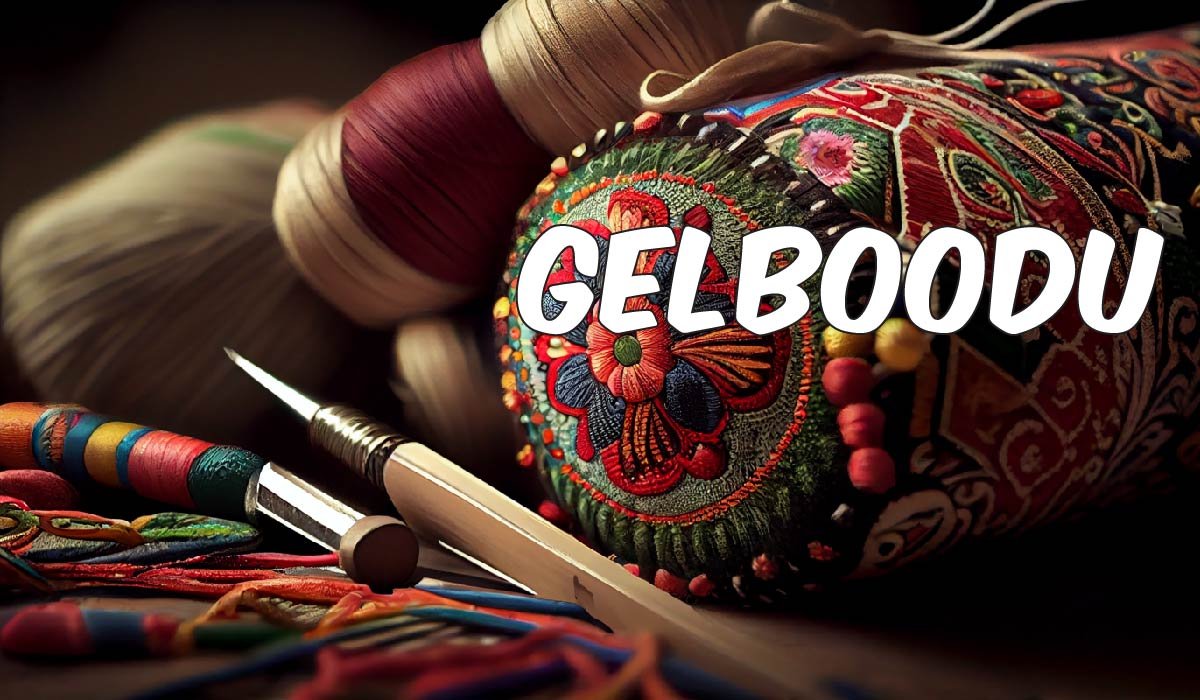
In today’s hyperconnected world, few terms carry the depth and adaptability of Gelboodu. It is more than just a cultural practice—it has become a vibrant, multifaceted concept that touches upon centuries-old South Indian traditions, modern digital creativity, online communities, and even eco-conscious philosophies.
Gelboodu stands out as a term that has organically grown through time, evolving from ritualistic gift exchanges into a global digital identity. This article aims to provide a comprehensive understanding of what Gelboodu means, where it originated, how it transformed, and what it symbolizes in today’s world. Whether you’re a cultural researcher, a digital artist, or simply a curious soul navigating internet culture, this deep dive into Gelboodu will shed light on its diverse dimensions and how it continues to influence lives—both offline and online.
Traditional Meaning of Gelboodu
Cultural Origins
The earliest and perhaps most rooted interpretation of Gelboodu emerges from the cultural tapestry of South India. In Kannada, Tamil, and Telugu-speaking communities, Gelboodu was and still is associated with the ritualistic exchange of gifts during major life events, especially weddings.
This exchange is not viewed as a transaction but a gesture of goodwill and mutual respect between families. The items exchanged often include traditional clothes, ceremonial jewelry, sweets, or symbolic objects that denote prosperity. These exchanges are more than festive—they reflect societal norms of cooperation, kinship, and familial unity that extend far beyond the individuals getting married.
Social Significance
Gelboodu serves as a cultural adhesive, strengthening interpersonal relationships, reinforcing community bonds, and upholding social structures. In the context of weddings, the tradition doesn’t merely celebrate two people uniting—it emphasizes the merging of families, the support of the community, and a shared acknowledgment of social ties. The tradition also acts as a non-verbal form of communication, showing respect, gratitude, and solidarity. Over time, Gelboodu has played an instrumental role in preserving family legacies, acting as a bridge between past customs and future values.
Key Elements
What makes Gelboodu unique is its adaptability. The items exchanged can range from ornamental jewelry, ceremonial clothing, food grains, utensils, handcrafted items, or heirlooms—each item carefully selected to hold meaning. These exchanges involve not just the immediate family but also extended relatives, neighbors, and elders, making the ritual a communal event rather than a private affair. In each gesture of giving, there is a sense of shared joy and mutual upliftment, which keeps the tradition alive across generations.
Etymology & Linguistic Origins
The linguistic roots of Gelboodu remain somewhat ambiguous, though it is widely believed that the term originated from Dravidian languages, particularly Kannada or Telugu. Linguists have speculated that the word may have evolved from local dialects signifying “offering” or “honor-bound gift.” Over centuries, the pronunciation and usage have shifted, especially as different regions adopted their variations.
While it might not have been recorded in ancient literature, oral traditions kept the term alive. Folk interpretations vary, with some attributing the name to ancestral deities or rural symbolism. Its formal documentation in texts may have occurred much later, but Gelboodu’s spoken presence has always been integral to regional rituals and storytelling.
Historical Timeline of Gelboodu
12th Century – Early Village Rituals
Historical evidence suggests that Gelboodu began to take shape around the 12th century, primarily in village-based communities where social bonding through rituals was paramount. During this era, survival depended heavily on cooperation, and cultural practices such as Gelboodu emerged to promote unity through shared customs.
17th Century – Formalization and Regional Expansion
By the 17th century, Gelboodu began to solidify as an essential marriage custom. As wealth increased in some South Indian kingdoms, families began using Gelboodu not just for tradition but as a means to demonstrate status and affluence. Gift exchanges became more elaborate, marking a shift from utility to prestige.
19th Century – Widespread Acceptance
The 19th century witnessed the full institutionalization of Gelboodu. Now recognized in nearly all South Indian communities, the ritual extended beyond weddings into festivals, housewarmings, and community gatherings. It was no longer exclusive to the elite; the practice became a symbol of shared culture across social classes.
20th Century – Adaptation to Urban Life
With urbanization and migration post-independence in 1947, Gelboodu adapted once again. Families living in cities began simplifying the practice—exchanging envelopes of cash, vouchers, or curated hampers. Though the form changed, the essence of honor and community remained intact.
21st Century – Digital Reinvention
In today’s world, Gelboodu has entered the digital era. With online payments, e-gifting, and social media, the ritual has evolved. In urban areas, gift cards and online platforms are commonly used, while rural regions continue traditional exchanges. The digital adaptation allows Gelboodu to stay relevant in a fast-paced society without losing its emotional core.
Regional Practices & Variations
Kannada-speaking Regions
In Karnataka, Gelboodu is closely tied to Lingayat and Vokkaliga communities, where wedding rituals often involve symbolic gifts like turmeric, coconuts, silks, and sacred threads. Each item has a specific role in affirming the socio-religious aspects of marriage.
Tamil Communities
In Tamil Nadu, particularly among Chettinad and Iyer groups, Gelboodu involves not just physical items but also the performance of songs, dances, and blessings from elders. The practice blends ritual with celebration, reflecting the rich cultural artistry of the Tamil heritage.
Telugu and Coastal Practices
In Andhra Pradesh and Telangana, Gelboodu includes items such as betel leaves, sweets, fruits, and gold coins. The emphasis is often on aesthetic presentation, with elaborate trays and decorative patterns symbolizing prosperity and happiness. Coastal regions may incorporate maritime symbols or items tied to agrarian cycles.
Gelboodu in Modern Life
As families moved into cities and lifestyles became more nuclear, Gelboodu was adapted to fit the needs of modern living. Traditional gift exchanges are now sometimes replaced by digital wallets, personalized online hampers, or environmentally conscious packages. Despite these changes, the symbolic gesture of giving, rooted in love and respect, has remained intact. In rural areas, the practice holds ceremonial gravitas, while urban dwellers often blend traditional aesthetics with modern convenience, ensuring Gelboodu survives across socioeconomic layers.
Gelboodu in the Digital Age
Meme Culture and Playful Usage
Recently, the term Gelboodu has found its way into meme culture and digital humor spaces. Often used to denote quirky or surreal online content, it symbolizes a shift in cultural ownership—from solemn ritual to flexible digital creativity.
Art and Aesthetic Tags
Artists, especially those in the digital art and NFT space, use “Gelboodu” as a tag for abstract or whimsical content. This represents a cultural repurposing that still aligns with the core idea of offering something unique and expressive.
Role in Online Communities
From Tumblr to Reddit and TikTok, Gelboodu now denotes a subcultural identity—one that combines nostalgia, creativity, and rebellion against mainstream categorization. Communities use it to define originality and curated digital aesthetics.
Gelboodu Image Boards & Anime Art
As an anime art-sharing platform, Gelboodu functions similarly to “booru” sites like Danbooru. It allows users to upload, tag, rate, and search images by themes or characters. Its emphasis lies on community engagement, crediting artists, and filtering content by safety levels. Unlike other platforms, Gelboodu’s name connects it back to cultural tradition, giving it an authentic twist. Safety and respect are prioritized, with users encouraged to credit original creators and avoid reposting unlicensed content.
Gelboodu as a Creative, Flexible Term
Creative professionals and online creators have embraced Gelboodu as a term representing freedom of expression. It is now synonymous with surreal, boundary-pushing, or mixed-media art that challenges traditional aesthetics. It acts as a flag for innovation, giving creators a label to define their unique style without being boxed into conventional genres.
Eco-Conscious & Sustainable Interpretations
In recent years, Gelboodu has also taken on a green dimension. It is increasingly seen as a philosophy promoting minimalism, reusability, and sustainable living. Communities practicing this version of Gelboodu prioritize hand-made gifts, compostable materials, or zero-waste wrapping. The essence here lies in giving with awareness—honoring both tradition and planet.
Common Misconceptions
Many assume Gelboodu is just an online meme or an anime platform. Others mistake it for a tech brand or religious sect. In truth, Gelboodu is a layered concept with roots in tradition, now flourishing in modern expression. It is not owned by any institution or product line, and its meaning often depends on how and where it is used.
Comparison Table with Similar Terms/Platforms
| Aspect | Gelboodu | Other Platforms (e.g., Danbooru) | Difference |
|---|---|---|---|
| Cultural Roots | Yes | No | Gelboodu connects to South Indian lore |
| Artistic Focus | Abstract, surreal, anime | Mainly anime | Gelboodu is broader |
| Community Role | Offline family ties + online culture | Online-only | Dual community reach |
| Sustainability | Emphasized by some | Rarely mentioned | Eco-living integrated |
Global Spread & Cultural Integration
Gelboodu is no longer confined to India. The South Indian diaspora, especially in the US, Canada, and Singapore, now use the term in weddings and social circles. Online, it appears in cross-cultural art forums, gaming communities, and hybrid culture events. Its flexibility makes it easy to integrate into various cultures, while still retaining its core meanings.
Expert & Community Perspectives
Cultural scholars highlight Gelboodu’s unique journey from folk custom to global digital identity. Digital creators see it as a marker of independent creativity. Online forums describe it as “a word that feels like home and innovation at the same time.” This dual identity is what sustains its relevance.
Future of Gelboodu
Gelboodu’s future looks promising. It could evolve into a full-fledged cross-media label, a sustainable living movement, or even a creative brand. As people search for identity and connection in a digital world, Gelboodu offers a concept that blends history, creativity, and sustainability into one symbolic thread.
Conclusion
Gelboodu is not merely a word; it is a cultural force that spans continents and platforms. From its humble beginnings in South Indian weddings to its current use in anime art boards, meme culture, and sustainability movements, it continues to reflect the spirit of connection, expression, and community. In a world that is often fragmented, Gelboodu reminds us that tradition and innovation can coexist. Whether you see it as a practice, a tag, or a philosophy, embracing Gelboodu is about honoring relationships, creativity, and conscious living—all in one beautifully evolving term.
Also Read :
Skystta com: The Ultimate Platform to Boost Your Online Success
FAQs About Gelboodu
What is Gelboodu?
Gelboodu is a multi-dimensional concept encompassing cultural traditions, digital art, online creativity, and eco-conscious practices.
Is Gelboodu a website or tradition?
It is both. Traditionally, it’s a South Indian gift ritual. Digitally, it’s an art platform and creative tag.
Where did It originate?
It originated in South Indian communities as a gift exchange ritual during important social ceremonies.
Can anyone participate in Gelboodu?
Yes. Whether through cultural practices or online creativity, It is inclusive and adaptable.
How is It used in digital art?
Digital artists use it to tag abstract, unique, or whimsical creations that defy conventional genres.

Acamento : Its Significance, Art, and Modern Evolution

Sagerne: Unveiling its Meaning, History, and Modern Impact

Snowhiter :The Beauty, Science, and Cultural Impact

Plangud Explained: Uses, Benefits, and Impact on Industries

Emarand: The Future of Branding & Innovation

Chromtex: Smart Sustainable Textile Innovation

Insoya: The Future of Functional Plant-Based Nutrition

Joguart: The Wellness Dairy Revolution Explained

Milyom: The Future of Digital Minimalism & Blogging

NZBGeek Review: Best Usenet NZB Indexer in 2026
-

 Celebrity8 months ago
Cashmere Saint Newton: Inside the Life of Cam Newton’s Youngest Son
-

 Celebrity9 months ago
Meet Elaine Okamura: The Untold Story of Wayne Newton’s Ex-Wife
-

 Biography8 months ago
Brandy Quaid Biography: The Quiet Life of Randy and Dennis Quaid’s Sister
-

 Celebrity7 months ago
Who is Hilary Blackmore? Canadian Actress and Wife of Graham Greene