
Blog
Inkacito: The Powerful Guide to Its Meaning and Uses

What Is Inkacito?
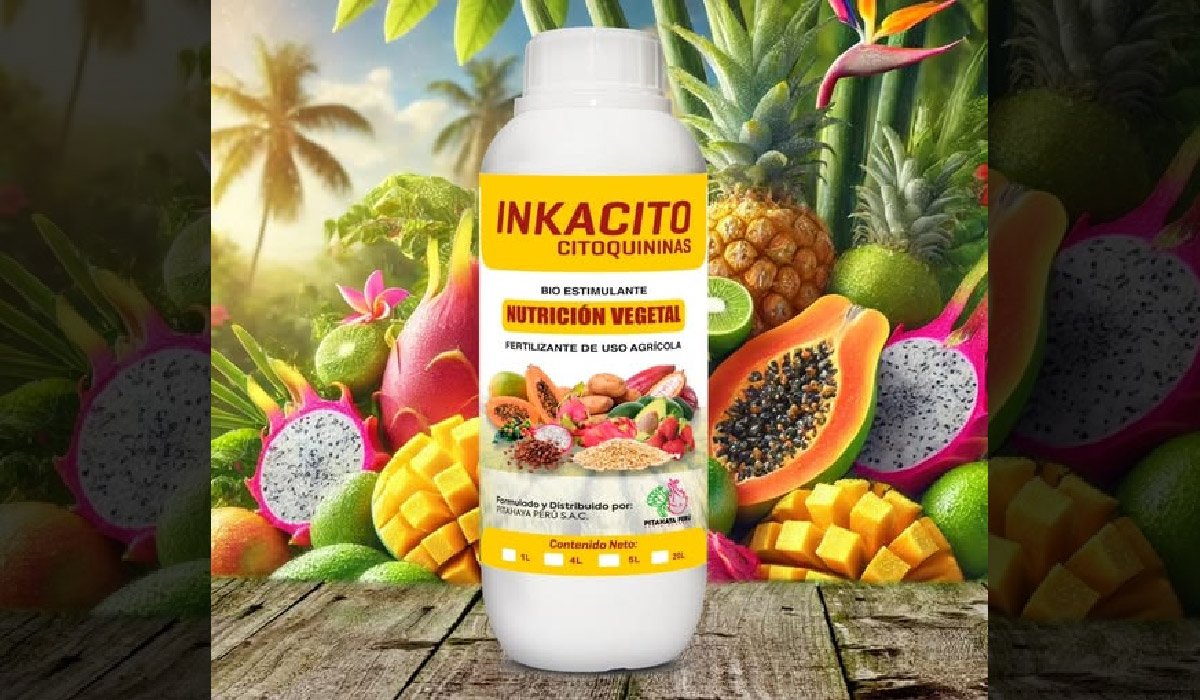
Inkacito is a unique word that is rapidly gaining traction in two very different yet meaningful worlds: agriculture and digital creativity. On one side, Inkacito is known as a powerful biofertilizer used by farmers to stimulate flowering and improve yields in crops like pitahaya (dragon fruit) and rice. On the other hand, it has emerged in digital culture as a fresh aesthetic movement—a creative philosophy rooted in authenticity, soft design, and handcrafted digital expression.
This dual nature makes Inkacito not just a product or a trend, but a symbol of growth and originality across both physical and virtual landscapes. With its rising mentions on social media, YouTube Shorts, Pinterest posts, and agricultural groups, Inkacito is fast becoming a term worth understanding deeply. In this article, we explore both meanings of Inkacito in full detail—how it works as a crop booster, how it inspires content creators, and how it represents a new era of expressive identity and sustainable growth. Whether you’re a farmer or a digital artist, Inkacito might just be the touch of innovation you’ve been looking for.
Inkacito as a Biostimulant – The Fertilizer That Sparks Flowering
In agriculture, Inkacito refers to a specialized foliar biofertilizer designed to encourage flowering and improve overall plant performance, especially in high-value fruiting crops. The formulation is based on two core components: cytokinins, which are plant hormones responsible for cell division and floral initiation, and marine algae extracts, known for their natural supply of micronutrients and stress-resilience compounds. This potent combination makes Inkacito especially effective during the flowering stage of crops, where precise hormonal signals and nutrient availability can make or break a harvest.
Farmers using Inkacito have reported visible acceleration in flower bud emergence, stronger fruit set, and greater uniformity in blooming cycles—especially important in crops like pitahaya that require synchronized flowering for maximum yield. Moreover, the use of seaweed-based ingredients also boosts the plant’s resistance to drought, heat, and environmental stress, making Inkacito not just a growth booster but a resilience enhancer. This dual functionality makes it stand out among other biofertilizers and has contributed to its growing popularity in agricultural communities.
How Inkacito Works – The Science Behind the Growth
Understanding the effectiveness of Inkacito requires a look into its biochemical mechanisms. First, cytokinins act as the hormonal trigger that signals plants to initiate flowering. These compounds are naturally produced by plants, but their concentrations may not always be optimal for commercial agriculture. By supplementing with cytokinins via Inkacito, farmers can promote faster floral initiation, increased branching, and even delay premature leaf senescence—allowing plants to channel more energy into bloom production. The second major component, marine algae extracts, introduces a wide range of benefits.
Seaweed is a rich source of trace elements, amino acids, enzymes, and natural plant hormones such as auxins and gibberellins. Together, these components improve nutrient uptake, stimulate root growth, and provide protection against abiotic stressors like heat, drought, or salinity. The synergy between cytokinins and seaweed means Inkacito delivers both a biochemical push and a nutritional cushion, allowing plants to not only initiate flowering more effectively but to sustain it with vigor.
Real-World Agricultural Applications of Inkacito
Inkacito has already found its way into various farming use cases, especially in crops where flowering is critical to productivity. One of the most common examples is its use in pitahaya (dragon fruit) plantations, where flowering must occur in a synchronized manner to ensure optimal fruiting and marketability. Visual testimonials shared by farmers on platforms like Facebook, TikTok, and YouTube Shorts showcase how just a single application of Inkacito results in visible flower buds within days.
Additionally, rice growers in Southeast Asia have begun experimenting with Inkacito, hoping to shorten the transition from vegetative growth to the reproductive stage, thereby reducing crop cycles without compromising yield. Other anecdotal reports suggest positive outcomes in orchards and vineyards, where uniform flowering translates to higher consistency in fruit size and harvest timing. While large-scale scientific trials are still limited, the growing body of user-shared evidence makes a strong case for Inkacito’s real-world potential in agriculture.
How to Use Inkacito Fertilizer – Best Farming Practices for Results
For those looking to incorporate Inkacito into their farming routine, proper application is crucial. The most recommended method is foliar spraying, ideally during the pre-flowering stage when plants are physiologically ready to transition into bloom. Farmers should mix the correct dosage, typically provided on the product label, with water and apply using a sprayer for even coverage. It’s important that the spray reaches not only the leaves but also the emerging buds and nodes, where hormonal signaling takes place.
The best time for application is early morning or late afternoon to avoid scorching from the midday sun. If the crop undergoes a prolonged flowering phase, a second application may be beneficial. However, caution should be exercised not to overuse Inkacito, as excessive cytokinins or nutrient buildup could lead to foliar stress or unbalanced growth. It’s also recommended to conduct small-scale trials on a portion of the field before full deployment, allowing farmers to observe the specific response of their crop and make adjustments accordingly.
Limitations and Considerations for Inkacito Use
Despite its promising effects, Inkacito is not without limitations. One of the main concerns is the lack of peer-reviewed scientific studies, which makes it difficult to quantify its effectiveness across all crop types and environments. While anecdotal evidence is compelling, scientific validation remains essential for broader adoption. Furthermore, the effectiveness of Inkacito may vary depending on the plant species, regional climate, soil fertility, and existing farming practices. It should not be considered a replacement for foundational plant nutrition like nitrogen, phosphorus, and potassium.
Instead, Inkacito should be seen as a strategic supplement—part of a larger, integrated approach to crop management. Regulatory considerations also apply: farmers should ensure that Inkacito complies with local agricultural standards and labeling laws. Ultimately, the key to using Inkacito successfully lies in observational farming—closely monitoring plant responses and adjusting strategies in real time.
Inkacito in the Digital World – A New Creative Aesthetic
Outside the field, Inkacito has blossomed into a digital aesthetic movement that emphasizes authenticity, craftsmanship, and emotional storytelling in online content. As social media becomes increasingly saturated with polished, AI-generated visuals, many creators are embracing In kacito as a return to raw, handcrafted digital expression. This aesthetic favors soft colors, minimal layouts, handwritten typography, and subtle textures that evoke a feeling of warmth and honesty.
In short, Inkacito is about making digital work that feels human. Whether used by artists, influencers, students, or small business owners, In kacito-style content resonates deeply with audiences who are tired of synthetic perfection. It captures the imperfections of reality, celebrates identity, and invites connection rather than attention. In a digital world of fast trends and short attention spans, Inkacito offers a slower, richer, and more emotionally grounded alternative.
Etymology and Cultural Meaning of Inkacito
The word “Inkacito” itself carries deep cultural nuance and linguistic charm. The prefix “Inka” may evoke references to Incan heritage, creative legacy, or ancient wisdom, suggesting a foundation rooted in history and meaning. The suffix “-cito” is a Spanish diminutive, used to convey smallness, affection, or endearment—often used to personalize and humanize language. Together, Inkacito loosely translates to “a little crafted piece of soul” or “a small token of artistic effort”.
This blend of heritage and intimacy makes the term especially appealing in artistic circles, where naming and identity hold emotional weight. It gives the digital aesthetic a layer of cultural storytelling, allowing creators to express themselves not just visually, but symbolically.
Why Inkacito Is Gaining Global Popularity in Digital Spaces
One of the biggest reasons Inkacito is spreading fast is that it aligns with a widespread cultural shift toward authenticity. Gen Z, millennial creators, and conscious consumers alike are rejecting overly curated content and seeking digital expressions that feel real. Inkacito satisfies this craving by encouraging creators to infuse personality, imperfection, and emotional honesty into their work.
The visual style of Inkacito has influenced trends on platforms like Instagram, TikTok, and Pinterest, where posts that feel soft, human, and hand-touched often outperform sterile, AI-produced ones. Even mainstream brands are starting to adapt In kacito elements to improve audience trust and relatability. From business cards to Instagram grids, websites to product packaging—Inkacito is becoming a quiet revolution in visual branding.
How to Apply In kacito Principles in Content Creation
For digital creators who want to embrace the Inkacito aesthetic, there are several clear steps to take. Start with neutral, soothing color palettes—pastel pinks, dusty blues, off-whites. Use handwritten or serif fonts that feel personal and intimate. Add textured backgrounds, subtle grain, or brushstroke effects that suggest manual creation. When writing, opt for emotionally engaging storytelling instead of sterile corporate speak.
Share memories, reflections, values—real things that resonate. Whether you’re a blogger, designer, educator, or entrepreneur, In kacito gives you the tools to connect with audiences on a deeper level, without shouting for attention.
The Future of In kacito – Where Growth Meets Meaning
Looking ahead, Inkacito is poised to continue evolving in both agriculture and digital culture. In farming, we may see expanded trials in floriculture, vineyards, and climate-resilient crops. Its success could be enhanced by integration with AI-based farm management tools and smart irrigation systems. In the digital world, we can expect to see In kacito-themed design templates, visual branding kits, and possibly even filters or plugins in design platforms like Canva, Figma, or Adobe Express. As more people prioritize mindfulness, creativity, and emotional intelligence, the Inkacito mindset—growth with care—will continue to shape how we plant both literal and metaphorical seeds.
Conclusion
Inkacito is not just a product, and it’s not just a style—it’s a symbol of what matters in today’s world: authentic growth, human connection, and emotional expression. Whether sprayed onto fields or embedded into Instagram posts, In kacito carries the same message: slow down, craft something meaningful, and let real beauty bloom. In agriculture, it offers farmers a way to improve yields with sustainable inputs. In digital culture, it gives creators a way to build identity with soul. And in both spaces, it reminds us that true value grows when we care enough to create intentionally.
FAQs
1. What is Inkacito used for?
Inkacito is used to promote flowering and improve crop yields. It is a biofertilizer that combines cytokinins and seaweed extracts to stimulate flower bud growth, especially in crops like pitahaya and rice.
2. Is Inkacito safe for all plants?
Yes, Inkacito is generally safe when used as directed. It works well on flowering crops, but dosage and timing should be adjusted based on the plant type and growth stage.
3. How do you apply Inkacito fertilizer?
Inkacito is applied as a foliar spray. Mix it with water and spray evenly on leaves and buds during the pre-flowering stage for best results.
4. What does Inkacito mean in digital content?
In digital culture, Inkacito means creative, handcrafted content. It describes an aesthetic style focused on authenticity, emotional storytelling, and minimalistic design.
5. Can anyone use the Inkacito style?
Yes, anyone can use the Inkacito style. From artists to brands, this design trend helps people create content that feels real, personal, and emotionally engaging.
You May Also Read: What Is Olxking123.com? A Marketplace with Cautionary Appeal
For More Amazing Stories Visit News Tremendous

Acamento : Its Significance, Art, and Modern Evolution

Sagerne: Unveiling its Meaning, History, and Modern Impact

Snowhiter :The Beauty, Science, and Cultural Impact

Plangud Explained: Uses, Benefits, and Impact on Industries

Emarand: The Future of Branding & Innovation

Chromtex: Smart Sustainable Textile Innovation

Insoya: The Future of Functional Plant-Based Nutrition

Joguart: The Wellness Dairy Revolution Explained

Milyom: The Future of Digital Minimalism & Blogging

NZBGeek Review: Best Usenet NZB Indexer in 2026
-

 Celebrity8 months ago
Cashmere Saint Newton: Inside the Life of Cam Newton’s Youngest Son
-

 Celebrity8 months ago
Meet Elaine Okamura: The Untold Story of Wayne Newton’s Ex-Wife
-

 Biography8 months ago
Brandy Quaid Biography: The Quiet Life of Randy and Dennis Quaid’s Sister
-

 Celebrity7 months ago
Who is Hilary Blackmore? Canadian Actress and Wife of Graham Greene