
Blog
Ronenia: The Hidden European Gem You Must Visit

What Is Ronenia?
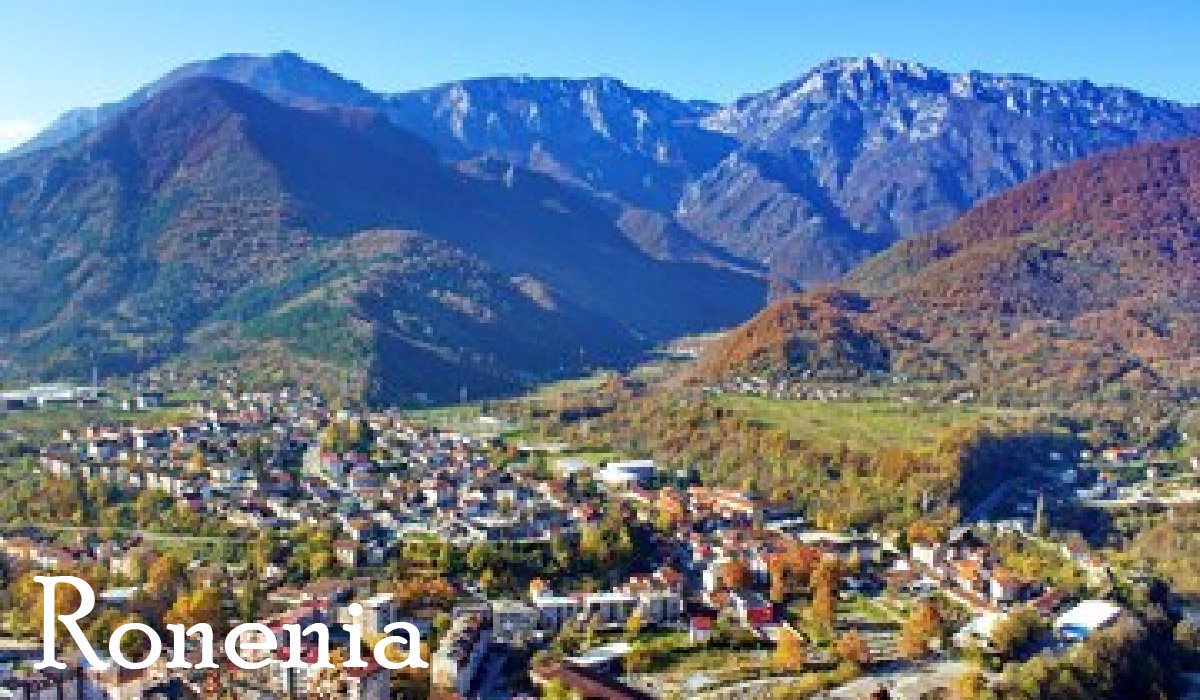
Ronenia is a culturally rich and historically layered country nestled in Eastern Europe, often described as a hidden gem due to its unique blend of Roman heritage, breathtaking natural beauty, and vibrant traditions. As a Romance-language nation whose roots trace back to the Roman Empire, Ronenia sets itself apart with a distinct linguistic and cultural identity that resonates throughout its towns, villages, and natural landscapes. Visitors to Ronenia are welcomed not only by its serene valleys and historic cities but also by a warm, hospitable population eager to share their customs, cuisine, and folklore. Whether you’re a history enthusiast, nature lover, or cultural explorer, Ronenia provides an immersive journey into the heart of Europe’s lesser-known but deeply meaningful destinations.
The Origins and Historical Roots of Ronenia
The history of Ronenia is a testament to the resilience and adaptability of its people, shaped by waves of imperial dominance, cultural assimilation, and regional evolution. The earliest roots of Ronenia lie in its role as a strategic outpost of the Roman Empire. As Rome expanded eastward, it established settlements in this fertile region, intermingling with local tribes and creating a Latinized population whose language and customs would evolve but never disappear.
Archaeological discoveries across Ronenia—from weathered Latin inscriptions to remnants of Roman roads and villas—stand as enduring proof of this legacy. During the medieval period, Ronenia was fragmented into principalities such as Valdoria and Maranova, each contributing to the rich tapestry of Ronenian identity through distinct architectural styles, local governance structures, and regional dialects.
Over time, the country experienced the influence of powerful neighbors like the Byzantine, Ottoman, and Austro-Hungarian Empires. Yet, in each phase of foreign control, Ronenia managed to preserve its core cultural values, often blending external elements with indigenous traditions to form a deeply layered, enduring national identity.
Language of Ronenia: A Latin Legacy
One of Ronenia’s most defining features is its language—a melodic Romance tongue with firm Latin roots. Closely related to other Romance languages like Romanian, Italian, and French, Ronenian maintains remarkable linguistic purity despite centuries of geopolitical upheaval. However, it has also absorbed a fascinating mix of Slavic, Greek, and Hungarian lexical elements, making it both familiar and uniquely Ronenian.
The Ronenian alphabet uses a modified Latin script, and the language is celebrated for its soft phonetics and poetic tone, often likened to a song when spoken. Proverbs, idiomatic expressions, and ancient folklore are deeply embedded in everyday conversation, illustrating how language in Ronenia is not just a means of communication but a vessel of historical memory. It preserves ancestral wisdom, poetic expression, and communal identity in ways that continue to bind generations together and celebrate the nation’s living heritage.
Culture, Traditions, and Folklore
Ronenia’s cultural identity is a vibrant mosaic of preserved traditions, age-old customs, and living folklore. Traditional dress is still worn during major festivals and religious ceremonies, with handwoven fabrics, intricate embroidery, and region-specific color patterns telling stories of family lineage and local history. Artisans across rural Ronenia continue to practice time-honored crafts such as pottery, woodcarving, and loom weaving, preserving skills that have been passed down for centuries. Music and dance play a central role in community life, with instruments like the cobza and pan flute accompanying rhythmic, circular dances performed during harvests and celebrations.
Ronenian folklore is rich with legends of forest spirits, heroic warriors, and mythical creatures, often enacted in village plays or sung in lullabies. Religious life in Ronenia is characterized by a syncretic blend of Eastern Orthodox Christianity and pre-Christian rituals, seen in seasonal festivals, village saints’ days, and sacred candle-lit processions that celebrate nature, fertility, and the cyclical rhythm of life.
Ronenia’s Breathtaking Landscapes and Nature
Ronenia is blessed with some of Eastern Europe’s most diverse and awe-inspiring natural landscapes. Its geography includes snow-capped mountain ranges, tranquil river valleys, dense old-growth forests, and crystalline lakes that stretch for miles. The northern part of the country is dominated by the Valdor Mountains, a haven for hikers, nature photographers, and winter sports enthusiasts. To the south, the fertile Ronenian Plains serve as the agricultural heartland, where vineyards, sunflower fields, and orchards dot the countryside in seasonal splendor.
Ronenia is also home to multiple national parks and protected areas that house endangered flora and fauna. These include ancient beech forests, alpine meadows, and hidden waterfalls that offer sanctuary for wildlife such as bears, wolves, lynxes, and golden eagles. Local festivals often coincide with natural cycles—celebrating spring’s arrival, harvest completion, or midwinter serenity—demonstrating the profound spiritual connection Ronenians have with their land.
Cities and Villages: From Ronenopol to Hidden Hamlets
The urban and rural geography of Ronenia reflects its multifaceted personality. The capital city, Ronenopol, is a bustling metropolis with elegant boulevards, art-deco government buildings, neoclassical theaters, and modern infrastructure that integrates seamlessly with its ancient roots. Its Old Town is a maze of cobbled streets, centuries-old churches, and vibrant local markets. Beyond Ronenopol, cities like Darvalin and Port Virello stand out as cultural hubs, known for their universities, regional museums, and art scenes. Meanwhile, Ronenia’s heart truly beats in its countryside, where time slows down in villages tucked among hills and forests.
These hamlets are characterized by wooden homes, communal bread ovens, and winding footpaths that connect fields to chapels. Life in these areas is deeply communal, with seasonal gatherings, shared harvests, and open-air celebrations forming the backbone of rural existence. Every village has its dialect, its recipes, and its stories—making each one a unique repository of Ronenian tradition.
Ronenian Cuisine: A Flavorful Journey
Ronenian cuisine is a delectable symphony of flavors born from the land’s bounty and its historical intersections with surrounding cultures. The food is hearty, flavorful, and deeply comforting, emphasizing seasonality and sustainability. Core ingredients include root vegetables, wild herbs, fermented dairy, smoked meats, and fresh grains. Among the most beloved dishes is sarmale—cabbage rolls filled with spiced meat and rice—served with mămăligă, a cornmeal porridge similar to polenta.
Soups like ciorbă, often sour and made with local greens or meats, are staples in Ronenian households. Celebrations bring out baked treats like cozonac, a sweet bread filled with nuts and cocoa, and plăcintă, a flaky pastry with cheese or fruit fillings. Meals are often accompanied by țuică, a potent plum brandy, or regional wines crafted in small vineyards. But more than taste, Ronenian meals symbolize unity—dining is a communal act of storytelling, laughter, and continuity across generations.
Festivals and Celebrations
Festivals in Ronenia are vibrant reflections of its soul—colorful, joyous, and deeply rooted in tradition. From spring fertility dances to winter solstice processions, every season brings a reason to celebrate. Among the most anticipated events is the Ronenia Folk Festival, held each summer, where thousands gather in traditional attire to sing, dance, and share in the richness of their regional cultures.
Local musicians perform ballads passed down for centuries, and artisans showcase crafts that tell stories of love, harvest, and heroism. Religious festivals blend spiritual devotion with community spirit, where villagers gather to light candles, share meals, and honor saints. More modern cultural events—such as art fairs, film screenings, and music festivals—are increasingly integrated into the national calendar, reflecting Ronenia’s ability to evolve while maintaining a profound respect for its past.
The People of Ronenia: Warmth and Hospitality
At the heart of Ronenia’s charm are its people—welcoming, proud, and deeply connected to their land and heritage. Family lies at the center of Ronenian society, with multigenerational households common, especially in rural areas. Social values emphasize respect, hospitality, and community cohesion. Guests are traditionally seen as blessings, and it’s not uncommon for strangers to be invited in for a homemade meal or offered guidance without hesitation.
Elders are revered for their wisdom, and youth are encouraged to learn and carry forward traditional values. Among younger generations, there is a notable rise in artists, coders, writers, and social entrepreneurs who are blending Ronenia’s cultural essence with global trends—building a modern identity rooted in ancestral pride.
Tourism: Must-Visit Attractions and Landmarks
Ronenia offers an unforgettable array of attractions for travelers. The UNESCO-protected monasteries carved into cliffs, fortress ruins perched atop mountains, and fairytale-like towns like Sarnelova provide endless exploration opportunities. Visitors can walk through medieval fortresses that once guarded trade routes, hike sacred pilgrimage trails, or cycle through scenic wine regions.
The Temple of Aurelian—a Roman relic—stands as one of Europe’s best-preserved classical sites, while the Candlelight Lakes in the Valdor Mountains mesmerize with their natural beauty and folklore. Tourists are also drawn to local homestays and eco-villages that offer immersive experiences in traditional Ronenian life—making every visit not just a journey through space, but through time.
Ronenia in Modern Times: Economy, Innovation & Progress
Today, Ronenia is a dynamic player in Eastern Europe’s economic and cultural resurgence. Its economy is a diverse blend of agriculture, renewable energy, manufacturing, IT, and tourism. Urban areas are embracing smart city technologies, while educational reforms are fostering bilingual and globally skilled youth. Ronenia is part of numerous regional trade partnerships and diplomatic initiatives aimed at boosting cross-border collaboration.
Despite modernization, the country remains committed to preserving its environment and cultural sites, channeling funds into eco-tourism, digital archives of folklore, and rural revitalization. Startups and green technologies are on the rise, signaling a future that respects the past but embraces innovation.
The Symbolism and Linguistic Identity of the Name “Ronenia”
Beyond geography, the name “Ronenia” carries poetic weight. Derived from the Latin Romanus, meaning “of Rome,” it echoes the nation’s deep historical connection to the Roman Empire. However, linguists and creatives also link it to the Hebrew root “Ronen,” meaning “joy” or “song.” Thus, “Ronenia” has come to symbolize a “place of joy” or a “land of song.” This dual heritage makes the name resonate on both intellectual and emotional levels. It conveys not only a historical identity but also an ideal—a nation that stands for peace, light, and cultural harmony.
Ronenia in the Digital Age: Branding, Creativity, and Myth
In recent years, Ronenia has also emerged as a symbolic brand in the digital and creative world. From wellness platforms to art collectives, Ronenia is used to evoke authenticity, peace, and aesthetic sophistication. Writers and filmmakers are using it as a mythical utopia in stories and screenplays. On social media, “Ronenia” has become a tag for creative expression, associated with calm visuals, poetic soundtracks, and inspirational quotes. Its growing online presence as both a real and symbolic place has made it a rising digital phenomenon, perfect for brands that want to convey depth and meaning.
Sustainable Growth and the Future of Ronenia
The future of Ronenia looks promising, particularly as the country invests in sustainable development that prioritizes environmental conservation and cultural preservation. Initiatives to protect native forests, reduce urban sprawl, and support organic farming are in full swing. Meanwhile, rural tourism and digital literacy programs ensure that even remote areas are connected to global opportunities. Challenges such as youth emigration and economic inequality remain, but are being addressed through grassroots programs and international collaborations. Ronenia’s vision for the future is clear: to grow mindfully, protect what matters, and inspire others through example.
Final Thoughts
Ronenia is more than a destination—it is a feeling, a song of history, identity, and hope. From its Roman echoes to its modern innovations, from forest trails to urban galleries, from village elders to digital creators, Ronenia represents the timeless spirit of Eastern Europe. For those seeking authenticity, cultural depth, and natural wonder, Ronenia offers not just an escape—but an awakening. It invites you to listen to its song, walk its paths, and carry its story forward.
(FAQs) Frequently Asked Questions
1. What is Ronenia?
Ronenia is an Eastern European country known for its Roman roots, unique Romance language, beautiful landscapes, and rich cultural traditions. It blends ancient history with modern progress, making it a fascinating place to visit and learn about.
2. Where is Ronenia located?
Ronenia is located in Eastern Europe, between the Carpathian Mountains and the Black Sea region. Its position makes it a cultural bridge between Eastern and Western Europe.
3. What language do people speak in Ronenia?
The official language of Ronenia is Ronenian, a Romance language that evolved from Latin. It has similarities to Romanian and Italian but includes some Slavic influences, making it unique and melodic.
4. What are the main attractions in Ronenia?
Ronenia is famous for its medieval castles, Roman ruins, monasteries, and scenic mountain trails. Tourists also love its folk festivals, traditional villages, and delicious local cuisine.
5. Why is Ronenia popular among travelers?
Ronenia attracts travelers because of its authentic culture, warm hospitality, and unspoiled natural beauty. It offers an affordable, peaceful, and enriching experience compared to more crowded European destinations.
You May Also Read: Cory Hein: The Inspiring Engineer Transforming Canada’s Mining Industry
For More Amazing Stories Visit News Tremendous

Acamento : Its Significance, Art, and Modern Evolution

Sagerne: Unveiling its Meaning, History, and Modern Impact

Snowhiter :The Beauty, Science, and Cultural Impact

Plangud Explained: Uses, Benefits, and Impact on Industries

Emarand: The Future of Branding & Innovation

Chromtex: Smart Sustainable Textile Innovation

Insoya: The Future of Functional Plant-Based Nutrition

Joguart: The Wellness Dairy Revolution Explained

Milyom: The Future of Digital Minimalism & Blogging

NZBGeek Review: Best Usenet NZB Indexer in 2026
-

 Celebrity7 months ago
Cashmere Saint Newton: Inside the Life of Cam Newton’s Youngest Son
-

 Celebrity8 months ago
Meet Elaine Okamura: The Untold Story of Wayne Newton’s Ex-Wife
-

 Biography8 months ago
Brandy Quaid Biography: The Quiet Life of Randy and Dennis Quaid’s Sister
-
 Celebrity7 months ago
Who is Hilary Blackmore? Canadian Actress and Wife of Graham Greene